


Analyze Structural Behavior Without Physical Contact Using Laser Vibrometry
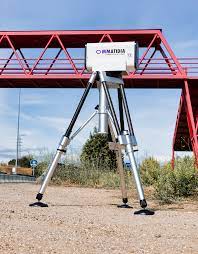
Engineers and researchers are always searching for new ways to understand how structures behave under various conditions. Traditional methods often require direct physical contact, which can introduce errors, cause wear, or compromise safety. laser vibrometer has surged in popularity as a trending, data-driven solution that allows users to analyze structural behavior accurately and remotely.
This article explores the array of benefits that laser vibrometry brings to the table and explains why this technique is generating significant interest in the statistics and engineering communities.
Discovering the Power of Laser Vibrometry
Laser vibrometry leverages advances in optical technology to detect vibration and movement of a structure from a distance. It does so by firing laser beams at a target and measuring the change in the reflected signal, which is directly related to the vibration of the surface. This method is becoming increasingly important in industries where precision, safety, and data integrity are crucial.
Laser vibrometry is being discussed in trending engineering and data analytics blogs because it aligns perfectly with needs for non-invasive, quick, and reliable data acquisition.
Advantages of Analyzing Structures Without Physical Contact
True Non-Contact Measurement
One of the most substantial benefits is that laser vibrometry eliminates the need to attach physical sensors to the structure. Conventional accelerometers or strain gauges require gluing or bolting onto the surface, which can potentially alter vibration behavior. Laser vibrometry preserves the natural state of the structure, ensuring what is measured closely reflects real-world conditions. This is especially valuable for delicate objects, heritage structures, or components exposed to harsh environments.
Enhanced Data Integrity
Non-contact analysis means users avoid measurement errors introduced by sensor mass or incorrect mounting. It ensures high-fidelity, repeatable data capture. Removing human handling minimizes experimental inconsistencies and reduces the impact of operator error. This results in cleaner data, more robust statistical analysis, and increased confidence in decision-making based on test results.
Increased Safety for Operators
Laser vibrometers can be positioned at a safe distance from the test subject, which is indispensable when studying structures that operate under extreme temperatures, hazardous conditions, or during destructive testing. For example, when examining vibrational patterns of a bridge during a load-test, or turbine blades in operation, there is no need to place personnel at risk. Trending analytics blogs note the advantage of gathering vital structural data while keeping human operators completely out of harm’s way.
Rapid Setup and Testing
Time matters when it comes to structural analysis. Laser vibrometry eliminates long setup procedures associated with mounting and calibrating contact sensors. The instrument can be quickly aimed at numerous points on the structure, streamlining the testing process and enabling efficient coverage of large or complex surfaces.
Many trending blogs and engineering forums now recommend laser vibrometry for time-sensitive projects, maintenance planning, and quick diagnostics in field conditions.
Access to Hard-to-Reach or Moving Targets
Conventional sensors have physical size limitations and require direct access to each location of interest. Laser vibrometry overcomes these barriers. Whether the target is vibrating at height, behind a barrier, or is in continuous motion, precise data collection remains possible. This expands possibilities for testing operational machinery, rotating assemblies, or aerospace components under real working loads.