


Yard Shuttling Services for Trailer Movement Efficiency
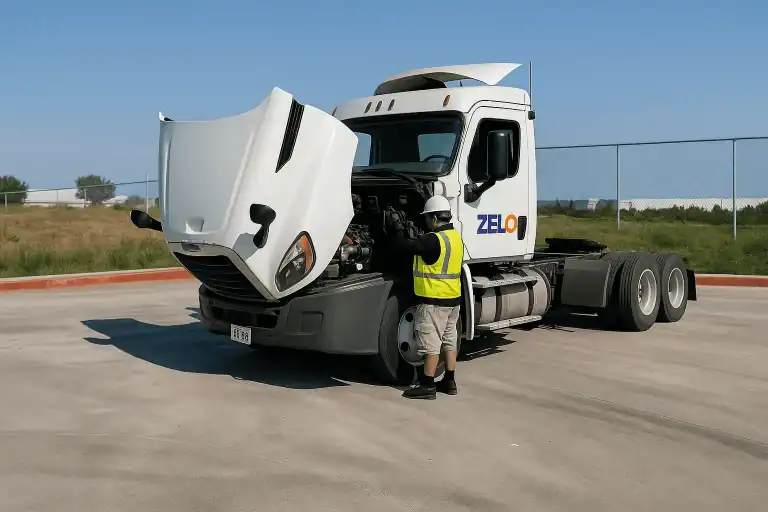
Efficient trailer movement is critical in logistics operations, where time and space management directly affect productivity and costs. Yard shuttling services are specialized solutions designed to optimize the transfer of trailers within a facility. By efficiently relocating trailers between docks, storage areas, and staging zones, yard shuttling enhances overall yard flow and reduces bottlenecks.
How Yard Shuttling Services Work
Yard shuttling involves the use of trained operators and specialized equipment, such as yard trucks or terminal tractors, to move trailers quickly and safely within the yard. These services coordinate trailer positioning based on dock availability, shipment priority, and operational schedules.
When a trailer arrives or departs, yard shuttling teams relocate it to the appropriate location for loading, unloading, or temporary storage. This proactive movement reduces delays and ensures trailers are ready when needed, maintaining a smooth freight flow.
Benefits of Efficient Yard Shuttling
One of the main benefits of yard shuttling is the reduction of trailer dwell time. By promptly moving trailers away from docks once loading or unloading is complete, yard shuttling frees dock space for incoming trailers, accelerating the turnaround process.
Yard shuttling also minimizes congestion within the yard by organizing trailer placement. Well-managed shuttle operations prevent overcrowding in staging areas and maintain clear routes for other vehicles, improving safety and reducing the risk of accidents.
Furthermore, efficient trailer movement supports better asset utilization. Trailers spend less time idle and more time in active use, which lowers operational costs and increases throughput capacity.
Integration with Yard Management Systems
Modern yard shuttling services often operate in tandem with yard management software. These systems provide real-time visibility into trailer locations, statuses, and scheduling needs, allowing shuttle teams to prioritize movements effectively.
Integration with transportation management systems ensures that trailer movements align with inbound and outbound shipment schedules. This coordination helps avoid unnecessary trailer shuffles and supports just-in-time delivery models.
Tailoring Yard Shuttling to Facility Needs
Yard shuttling services are adaptable to various facility sizes and industries. Large distribution centers benefit from continuous shuttle operations to handle high volumes, while smaller warehouses may schedule shuttling based on peak activity times.
Service providers customize shuttle routes, operator shifts, and equipment use to match the facility’s layout and operational goals. This tailored approach maximizes efficiency without disrupting daily workflows.
Safety Considerations in Yard Shuttling
Safety is paramount in yard shuttling due to the constant movement of heavy trailers and vehicles. Professional shuttle operators receive specialized training in maneuvering, communication, and hazard awareness.
Additionally, facilities implement safety protocols such as designated shuttle lanes, speed limits, and communication devices to coordinate movements. These measures reduce accidents and protect personnel and equipment.
Future Trends in Yard Shuttling
Technological advancements are shaping the future of yard shuttling. Automation and remote-controlled yard trucks are emerging, allowing precise trailer movements with reduced human risk.
Real-time data analytics and AI algorithms optimize shuttle scheduling by predicting peak times and prioritizing urgent movements. These innovations increase operational efficiency and contribute to smarter yard management.
Conclusion
Yard shuttling services are essential for maintaining trailer movement efficiency in busy logistics yards. By reducing dwell times, preventing congestion, and integrating with management systems, these services help facilities streamline operations and improve asset utilization. Investing in professional yard shuttling solutions supports safer, faster, and more organized trailer handling, ultimately enhancing the overall supply chain performance.